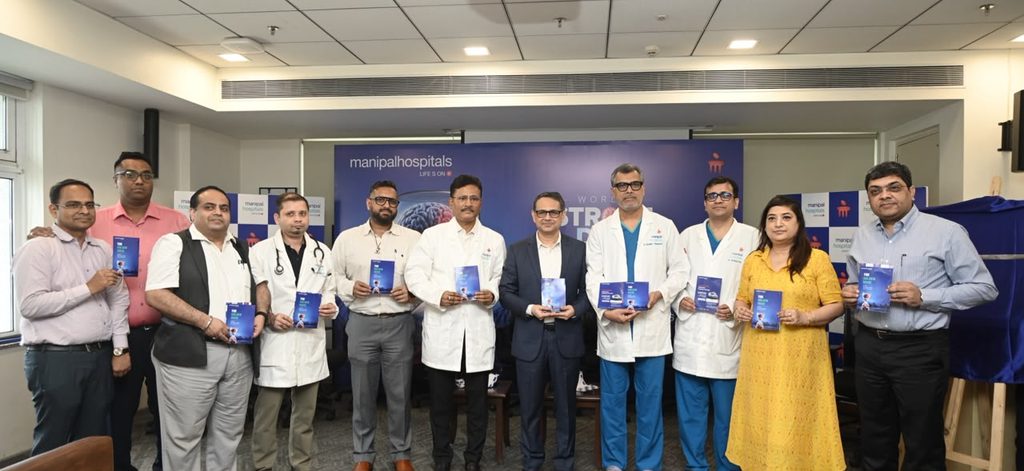
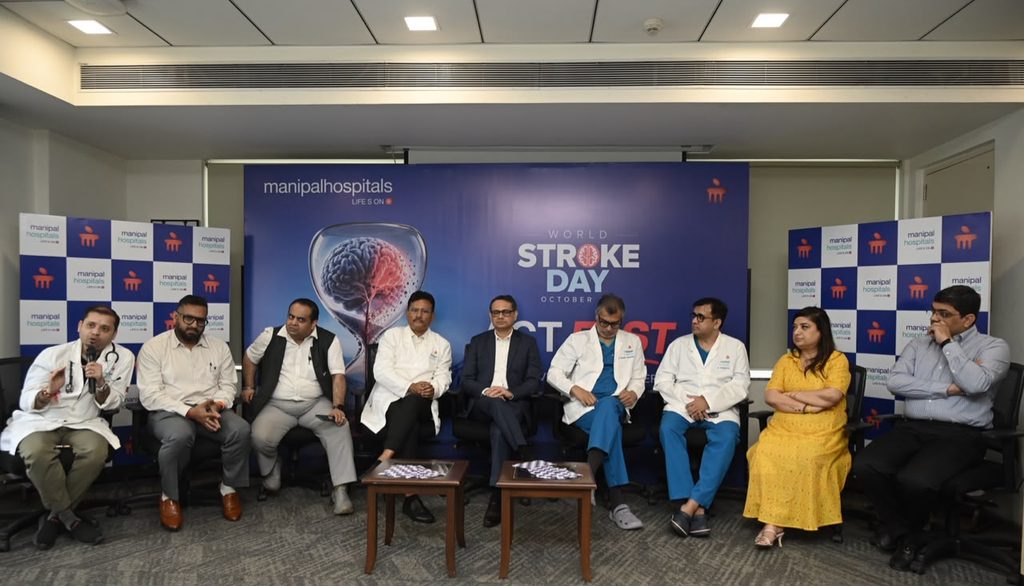
Kolkata, 29th October 2026: To observe World Stroke Day, Manipal Hospitals EM Bypass & Mukundapur organised a special awareness programme to highlight the importance of stroke prevention, early recognition of warning signs, and timely medical intervention. The initiative aimed to educate individuals about stroke, its associated risk factors, and the importance of seeking immediate medical attention to minimise the risk of long-term disability. The programme witnessed the presence of specialised clinicians,including Dr. Jayanta Roy – Director & Head – Neurology, Manipal Hospitals Mukundapur; Dr. Amlan Mandal, Senior Consultant and Head of Department (HOD) in Neurology at Manipal Hospital EM Bypass; Dr. Sukalyan Purkayastha, Director and Senior Consultant – Neurointervention & Endovascular Surgery, Manipal Hospitals East Region; and Dr. Nirmalya Roy – Consultant – Neuroradiology, Manipal Hospitals EM Bypass. As part of the awareness drive, the event highlighted the challenges associated with stroke and the importance of recognising its symptoms and seeking timely medical attention.
According to the World Health Organization (WHO), stroke occurs when the blood supply to a part of the brain is interrupted or when a blood vessel in the brain ruptures. This can deprive brain cells of oxygen and nutrients, leading to brain damage, disability, or death. Stroke is a medical emergency that requires immediate assessment and treatment. One of the key messages highlighted during the programme was the importance of recognising symptoms through the BE FAST approach. B stands for Balance, referring to a sudden loss of balance, dizziness, or difficulty walking; E stands for Eyes, which includes sudden blurred or double vision or loss of vision; F stands for Face, where one side of the face may droop or feel numb; A stands for Arms, referring to sudden weakness or numbness in one arm; S stands for Speech, which includes slurred speech or difficulty speaking or understanding others; and T stands for Time, reminding people to seek emergency medical assistance immediately and note when the symptoms began. Recognising even one of these warning signs is sufficient reason to seek urgent medical attention.
The programme also highlighted the importance of recognising a Transient Ischaemic Attack (TIA), sometimes referred to as a warning stroke. A TIA can cause symptoms like those of a stroke, including sudden weakness, difficulty speaking, or visual disturbances, but these symptoms may resolve within a short period. However, the disappearance of symptoms does not mean that the underlying risk has passed. A TIA requires urgent medical evaluation because the risk of a subsequent stroke can be particularly high in the hours and days following the episode. People experiencing sudden stroke-like symptoms should seek emergency medical attention even if they feel better before reaching medical care.
Speaking about the importance of recognising stroke symptoms at an early stage, Dr. Jayanta Roy said, “Stroke is a medical emergency in which every minute matters. Symptoms can develop suddenly while a person is at work, driving, or carrying out daily activities. Sometimes, the first indication may be a sudden change in vision, difficulty maintaining balance, or weakness affecting one side of the body. Recognising these warning signs early is crucial because a delay in seeking medical attention can result in further brain damage and affect the chances of recovery. Immediate medical evaluation can help determine the appropriate treatment and improve the chances of a better outcome.”
Emphasising the importance of recognising stroke risk among younger individuals, Dr. Amlan Mandal explained, “Stroke is often perceived as a condition that primarily affects older adults, but younger individuals can also experience a stroke. Younger people may overlook early warning signs or assume that symptoms such as sudden visual disturbances, weakness, or difficulty speaking are temporary and unrelated to stroke. It is therefore essential to understand that age alone does not rule out the possibility of a stroke. Awareness of the warning signs, regular health assessments, and timely consultation with a medical professional are important at every stage of life. By encouraging healthier habits from an early age and educating people about the importance of immediate medical attention, we can help reduce preventable risks and improve awareness of this serious condition.”
Highlighting the importance of preventive healthcare and managing stroke risk factors, Dr. Sukalyan Purakayasthya stated,“Many of the risk factors associated with stroke can be managed through timely diagnosis, appropriate medical care, and sustained lifestyle changes. Medical conditions such as high blood pressure, diabetes, and elevated cholesterol require regular monitoring. Factors like smoking, physical inactivity, obesity, and sleep apnoea, can also contribute to an individual’s risk. Maintaining a healthy weight, adopting a balanced diet rich in fruits and vegetables, engaging in regular physical activity, getting adequate sleep, and following prescribed treatment are important preventive measures.”
Discussing the importance of timely intervention and appropriate medical evaluation, Dr. Nirmalya Roy said, “Stroke symptoms can appear suddenly, and delaying medical attention in the hope that they will resolve on their own can have serious consequences. The principle that ‘time is brain’ highlights how quickly brain cells can be damaged when their blood supply is interrupted. In a major ischaemic stroke, approximately 20 million brain cells may be lost every minute, underscoring the importance of prompt diagnosis and treatment. It is equally important to recognise a TIA, in which stroke-like symptoms may resolve within a short period. Even if a person appears to have recovered completely, a TIA requires urgent medical assessment because it can signal an increased risk of a subsequent stroke. Reaching out to the medical team without delay is important to assess the condition and determine the most suitable course of treatment.”
The programme emphasised the importance of managing stroke risk factors through regular health check-ups, a balanced diet, physical activity, and appropriate medical care for conditions such as hypertension, diabetes, and high cholesterol. It also highlighted the BE FAST approach to recognising warning signs, including sudden changes in balance or vision, facial drooping, arm weakness, and speech difficulties. The discussion reinforced the importance of seeking immediate medical attention when symptoms appear, even if they subside on their own. By encouraging greater awareness of stroke prevention and early intervention, the initiative reiterated that stroke could affect individuals across age groups and that timely medical care plays a crucial role in reducing the risk of long-term disability and improving recovery outcomes.
About Manipal Hospitals
Manipal Hospitals is one of India’s leading integrated healthcare providers, with a pan-India network of 50 multispecialty hospitals and over 13,000 licensed beds across 14 states and union territories. The network is the country’s largest multispecialty hospital network by bed capacity, supported by more than 11,000 doctors and 25,000 employees. With a commitment to accessible, high-quality, patient-centric care, Manipal Hospitals combines clinical expertise with advanced technology, research and innovation to serve over 7 million patients annually, including patients from around the world. Its commitment to clinical and operational excellence is reflected in its NABH and AAHRPP accreditations, with several hospitals also accredited by NABL and recognised for excellence in nursing and emergency care.