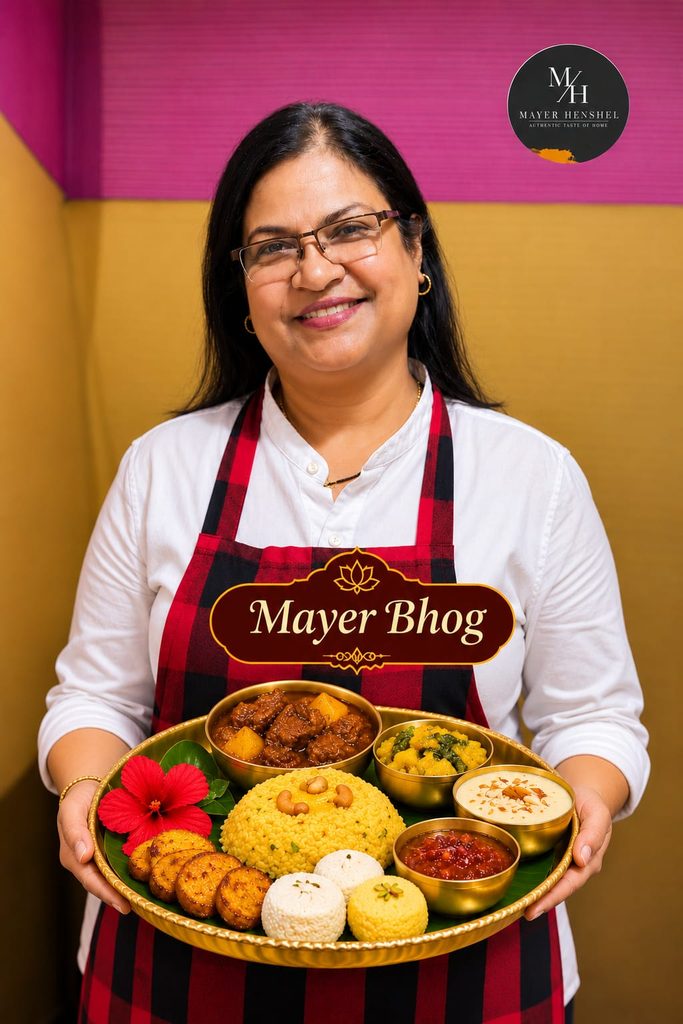
A Divine Bhog Prepared with Devotion, Tradition and the Authentic Flavours of Bengal
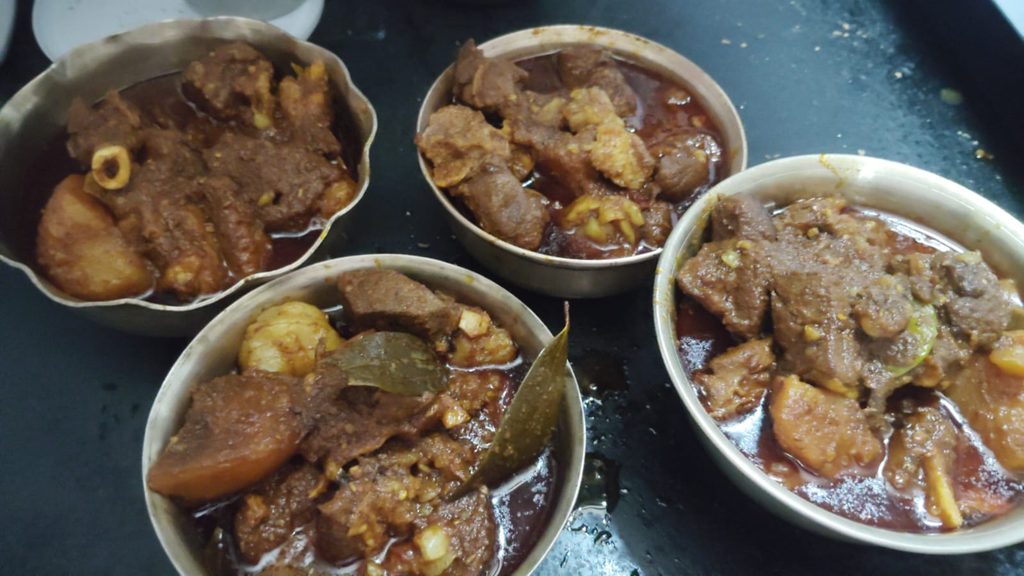
Kolkata: Bengali cuisine is not merely about food; it is an expression of culture, heritage, devotion and emotions passed down through generations. Celebrating this timeless connection between food and tradition, Mayer Henshel – Journey Through Food and Traditions brings forward the special culinary heritage of Bengal through its traditional preparation of Niramish Mangsho’r Jhol, also known as Bhoger Mangsho.
A distinctive preparation associated with special religious offerings during Durga Puja and Kali Puja in certain Bengali traditions, Niramish Mangsho holds a special place in the hearts of food lovers. Unlike conventional mutton curry, this traditional preparation follows the principles of niramish cooking, avoiding onion and garlic while relying on aromatic spices and carefully selected ingredients to create its rich and memorable flavour.
The philosophy behind this preparation is beautifully reflected in the words: “Food prepared with devotion becomes an offering; food shared with love becomes a blessing.” In Bengali households, preparing food for Maa is considered an expression of faith, affection and gratitude. Every ingredient, every movement of the ladle and every fragrance emerging from the kitchen becomes part of a heartfelt offering.
The traditional recipe uses one kilogram of young goat meat (Kochi Patha), approximately 200 grams of whisked yoghurt, potatoes, mustard oil, pure ghee and asafoetida (hing). Its distinctive flavour comes from a carefully balanced combination of whole spices, including bay leaves, dry red chillies, cinnamon, green and black cardamom, cloves, nutmeg, mace and cumin.
Fresh ginger paste, green chilli paste, tomato paste, turmeric, cumin powder, Kashmiri red chilli powder, garam masala, sugar and salt further enhance the preparation. The special finishing touch comes from freshly prepared Bhaja Moshla, made by dry-roasting cumin, coriander, cardamom, cloves and cinnamon before grinding them into an aromatic spice blend.
The Preparation: A Perfect Blend of Patience and Flavour
The cooking process begins with thoroughly washed and drained mutton, marinated with lemon juice, Kashmiri red chilli powder and garam masala. The meat is allowed to rest for approximately 15–20 minutes so that the spices can penetrate the pieces.
In a traditional heavy-bottomed kadai, pure ghee is heated and the marinated mutton is fried until it develops a reddish colour. Mustard oil is subsequently added to the same cooking base, and the potatoes are fried until golden brown and kept aside.
The whole spices are then tempered to release their natural fragrance. Asafoetida, ginger paste and tomato paste are added successively and cooked carefully. Whisked yoghurt is incorporated into the masala before the fried mutton is added and mixed thoroughly.
Turmeric powder, cumin powder, red chilli powder and Kashmiri red chilli powder are added with salt to taste. The mixture is cooked over medium-high heat for approximately 15–20 minutes, with occasional splashes of water to prevent the spices from sticking or burning.
Boiling water is then added, and the kadai is covered. The meat is cooked until approximately 80 per cent tender, with regular stirring and checking. The fried potatoes are subsequently added, followed by sugar, and the curry is simmered over a low flame until the meat becomes completely tender. Alternatively, a pressure cooker may be used, with approximately four to five whistles depending on the meat and cooker.
The Secret Behind Its Divine Colour and Aroma
The final stage gives Niramish Mangsho its distinctive character. Once the meat is tender, the gravy is allowed to simmer until it reaches a rich consistency. A generous spoonful of pure ghee and freshly prepared garam masala are added to enhance its aroma.
A special finishing technique involves heating ghee with Ratanjot sticks in a small tempering pan. As the ghee absorbs the natural reddish colour and fragrance of the spice, it is carefully strained into the curry. This traditional finishing touch lends the preparation its beautiful deep-red appearance and an appealing aroma.
After a gentle stir, the curry is allowed to rest for a few minutes, allowing the flavours to blend beautifully.
A Traditional Feast to Remember
Niramish Mangsho’r Jhol can be enjoyed with steaming white rice, fragrant Gobindobhog rice, Basanti Pulao or hot, fluffy luchis. Each combination brings out a different dimension of this traditional Bengali delicacy.
Beyond its culinary appeal, the dish represents the emotional bond between Bengali food traditions and religious celebrations. It brings back memories of festive mornings, family gatherings, childhood experiences and the warmth of mothers preparing special meals for their loved ones.
Through Mayer Henshel – Journey Through Food and Traditions, this traditional preparation celebrates the belief that food is not simply something to be consumed; it is a story of our roots, our mothers, our festivals and our everlasting love for food.
As the prayer accompanying this special preparation beautifully expresses, may every home be filled with peace, prosperity and happiness, along with the eternal blessings of Maa.
Jai Maa Kali! Jai Maa Durga!