Kolkata, 16th November 2026: Whether it is a student preparing for a long day at college, an office-goer rushing to work or someone looking for a refreshing drink after stepping out in the summer heat, packaged beverages have increasingly become a convenient part of everyday life. However, with growing awareness around sugar consumption, caffeine intake and food labels, consumers are beginning to pay closer attention to what goes into the drinks they consume.
The recent action by the Food Safety and Standards Authority of India (FSSAI) against the labelling and marketing of certain energy drinks has brought this conversation into focus. The regulator has raised concerns about the use of the term ‘Energy Drink’ and claims that may give consumers a misleading impression of what these beverages offer. The move also highlights the importance of understanding the difference between a drink that provides temporary stimulation through caffeine and a food or beverage that offers nutritional value through its ingredients.
Another concern is the amount of sugar and caffeine consumers may be consuming without always being mindful of their intake. While packaged beverages can be convenient, checking their nutritional information, including added sugar and caffeine content, can help people make more informed choices. As awareness around everyday nutrition grows, there is also an opportunity to look beyond conventional packaged drinks and rediscover familiar Indian food ingredients.
One such option is sattu. Made from roasted Bengal gram, sattu has been a part of traditional diets across several parts of India, particularly Bihar, Jharkhand, Uttar Pradesh and West Bengal. What makes it particularly interesting from a nutritional perspective is its composition. Bengal gram is a natural source of plant-based protein, dietary fibre and carbohydrates. Protein contributes to the maintenance of muscles and body tissues, while dietary fibre supports digestive health. Its carbohydrate content also makes sattu a source of dietary energy, making it a useful addition to a balanced everyday diet.
Unlike caffeinated beverages that are primarily associated with alertness and temporary stimulation, sattu offers nourishment through a familiar food ingredient. It is also easy to prepare and incorporate into everyday routines. A glass of sattu mixed with water, lemon and a little salt makes for a refreshing drink, particularly during warmer months. It can also be added to parathas, savoury fillings and other everyday preparations.
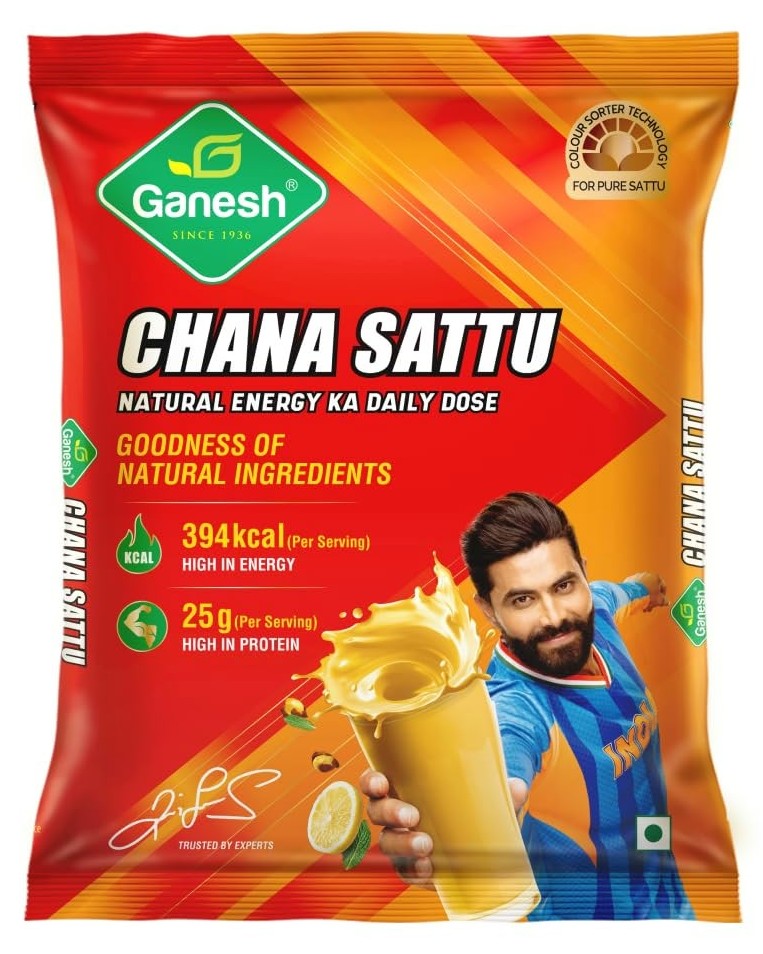
Speaking about the relevance of traditional food ingredients in changing consumption patterns, Mr. Devansh Mimani, Director, Ganesh Consumer Products Ltd., said, “Today, people are becoming more conscious of what they eat and drink, and that is an encouraging change. The conversation around energy drinks has also made us think about what we actually mean when we talk about energy and nutrition. Sattu is a good example of how much nutritional value can be found in ingredients that have been part of our food culture for generations. Made from roasted Bengal gram, it offers plant-based protein, fibre and carbohydrates, making it a natural source of dietary energy. At Ganesh, we believe that a glass of sattu can be a natural energy ka daily dose for consumers, offering familiar nutrition in an affordable and convenient form. Our focus is on making these traditional foods more accessible and relevant to younger consumers through convenient formats, while retaining the nutritional value that makes them worth including in everyday diets.”
Affordability is another factor that makes sattu relevant in today’s food landscape. For many Indian households, making healthier food choices also means finding options that can be consumed regularly without putting additional pressure on the monthly food budget. Ganesh Sattu has traditionally been valued for being accessible, filling and simple to prepare, making it suitable for different age groups and consumption occasions.
The larger conversation around energy drinks may be centred on regulation and product labelling, but it also offers an opportunity to revisit everyday food choices. Sometimes, a natural energy source does not have to come in a brightly packaged bottle. It can be something as familiar, nutritious and affordable as a glass of sattu.